Annapurna First (North) Base Camp Trek

Annapurna First (North) Base Camp Trek Experience · 7 Days

Annapurna First (North) Base Camp Trek
  • 7D/ 6N
  • Nepal,Annapurna First (North) Base Camp

Share this package

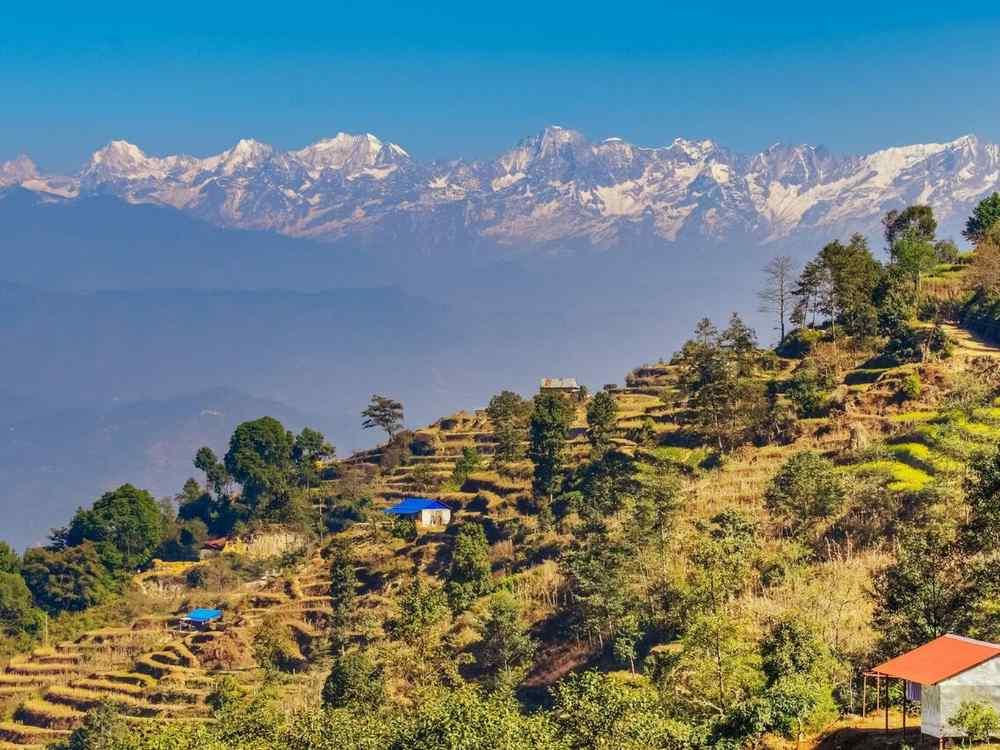
About the North Annapurna Region: In the Myagdi District of western Nepal, the North Annapurna region sits away from the crowds of Nepal’s more popular trekking routes. Its trails pass through rhododendron forests, alpine meadows and rugged mountain terrain, and lead to the sacred Pancha Kunda Lake and North Annapurna Base Camp, surrounded by towering Himalayan peaks and glacial scenery

The Annapurna First (North) Base Camp Trek is a short yet rewarding Himalayan adventure for travellers who want authentic wilderness. After arriving in Kathmandu, you travel to Beni and take a jeep to Humkhola, the start of the trek. The trail winds through rhododendron forests and past the Phutphutey Waterfall and traditional trail settlements, where local communities offer warm hospitality. The highlight is the ascent to Pancha Kunda Lake (4,050 m), revered for its spiritual significance, and on to North Annapurna Base Camp. With a moderate trekking level, it suits nature lovers, spiritual travellers, photographers and adventure seekers.

Day 1: Arrival in Kathmandu, Welcome Dinner and Trek Briefing

  • Arrive at Tribhuvan International Airport, where you are welcomed and transferred to your hotel.
  • Meet your trekking guide for a trip briefing covering the route, equipment and safety, and the plan for the days ahead.
  • Enjoy a welcome dinner at a traditional Nepali restaurant, with authentic local cuisine and cultural performances of music and dance.

Day 2: Kathmandu to Beni

  • Option 1: Travel by tourist bus.
  • Option 2: Travel in a private vehicle at your own pace.
  • Option 3: Fly to Pokhara and drive to Beni. Take a scenic flight from Kathmandu to Pokhara, with Himalayan views on clear days, then continue by road through the Kali Gandaki region to Beni.
  • Arrive in Beni, the gateway to the North Annapurna region, and check in to your hotel for a relaxed evening.

Day 3: Beni to Humkhola by Jeep and Trek to Gufaphat

  • After an early breakfast, take a jeep from Beni to Humkhola, about 2.5 to 3 hours depending on road conditions.
  • Begin the trek through forested trails, rural landscapes and peaceful mountain surroundings.
  • Continue to Guras Danda, a scenic ridge known for its rhododendron forests, especially beautiful in spring.
  • Reach Phutphutey Waterfall for a break and photographs.
  • Trek on through quiet forest and rugged terrain to Gufaphat, where you settle into a basic lodge or camp for the night.

Day 4: Gufaphat to Pancha Kunda Lake and North Annapurna Base Camp, Descent to Bhusketmela

  • Start early to take advantage of clearer mountain conditions.
  • Ascend to the sacred Pancha Kunda Lake (4,050 m) through forest paths and increasingly open alpine terrain, and spend time by the lake in its tranquil atmosphere.
  • Continue to North Annapurna Base Camp, enjoy the mountain scenery and take photographs.
  • Descend to Bhusketmela (3,551 m). This is the most demanding day of the trek, with significant elevation change and long walking hours, so maintain a steady pace, stay hydrated and follow your guide’s instructions.

Day 5: Bhusketmela to Humkhola, Drive to Beni and Transfer to Pokhara

  • Descend to Humkhola through forests and scenic landscapes, with final views of the remote Himalayan wilderness.
  • Board a jeep to Beni, then continue by road to Pokhara.
  • Check in to your hotel and spend the evening by Phewa Lake or exploring the lively Lakeside area.

Day 6: Pokhara to Kathmandu

  • Return to Kathmandu after breakfast, by tourist bus, private vehicle or a short domestic flight, depending on your preference.
  • Transfer to your hotel and enjoy a relaxed evening.

Day 7: Departure

  • After breakfast, based on your flight schedule transfer to Tribhuvan International Airport for your onward journey, carrying memories of Himalayan scenery and rewarding trekking.


  • Airport transfers: Private arrival and departure transfers in Kathmandu
  • Accommodation: 6 nights in tourist hotels (Kathmandu, Beni, Pokhara) and basic lodges or camping at Gufaphat and Bhusketmela, subject to availability
  • Meals: Daily breakfast, welcome dinner on Day 1, and lunch and dinner during the trek and transfers, as specified in the confirmed package
  • Transport: Kathmandu to Beni by tourist bus, private vehicle, or flight and drive (according to your option), and Pokhara to Kathmandu return
  • Jeep transfers: Shared or private jeep between Beni and Humkhola
  • Welcome dinner: Traditional Nepali restaurant with cultural performances
  • Guide: Experienced, licensed trekking guide familiar with the North Annapurna region
  • Permits: Applicable trekking permits and conservation-area entry fees
  • Safety: Basic first-aid kit carried by the guide
  • Taxes: Applicable government taxes and service charges

  • International flights, and domestic flights unless the flight option is selected and included
  • Nepal visa fee
  • Travel insurance covering high-altitude trekking, medical emergencies and helicopter evacuation
  • Personal trekking equipment, such as boots, sleeping bags, poles and warm clothing
  • Porter service (Can be arranged if required, one porter can carry the luggage of two trekkers, with a weight limit of about 12 kg per trekker. Porter charges and any additional luggage transportation are payable separately.)
  • Extra accommodation due to early arrival, delays or unforeseen circumstances
  • Alcoholic and soft drinks, bottled water and specialty beverages
  • Laundry, snacks and personal purchases
  • Tips for guides, porters, drivers and hotel staff
  • Emergency evacuation and medical treatment costs
  • Unplanned transfers or route changes, and optional activities not in the itinerary
  • Extra costs from severe weather, landslides, road closures or other events beyond our control
  • Anything not mentioned in the inclusions

Q1: Do I need trekking experience or a high level of fitness?

Previous trekking experience is helpful but not essential. However, you should be in good health and comfortable walking for several hours a day on uneven mountain trails. Day 3 is the longest and most demanding day of the trek, so maintaining a steady pace, staying hydrated, and following your guide's instructions are important.

Q2: Do I need a permit for the North Annapurna Base Camp Trek?

Yes. Applicable trekking permits and conservation area entry permits are required. The ACAP (Annapurna Conservation Area Permit) and TIMS (Trekkers' Information Management System) requirements should be confirmed before departure. We can assist you with the necessary permits and documentation. Please provide a copy of your passport at the time of booking.

Q3: Do I have to carry my own bag? Can I hire a porter?

You should carry a small daypack containing water, snacks, warm clothing, and personal essentials. Porter services are not included in the standard package but can be arranged at an additional cost. Please request a porter when making your booking.

Q4: Will I have mobile network and internet access during the trek?

Mobile network coverage and internet connectivity are limited and unreliable along this remote trekking route. Coverage may disappear beyond Guras Danda and in the higher sections of the trail. We recommend informing your family and friends before departure and being prepared to remain offline for much of the trek.

Q5: Is there a risk of altitude sickness?

Yes. Since the trek reaches high-altitude terrain, there is a possibility of altitude sickness. It is important to ascend gradually, stay hydrated, and inform your guide immediately if you experience symptoms such as headaches, dizziness, nausea, or unusual fatigue. Consult your doctor before the trip, particularly if you have any pre-existing medical conditions. Descending to a lower altitude may be necessary if symptoms develop or worsen.

Q6: Is a medical kit provided during the trek?

Yes. Your trekking guide carries a basic first-aid kit to handle minor medical issues. However, you should bring your personal medications and any prescribed emergency medicines. As the route is remote, comprehensive medical facilities may not be readily accessible during the trek.

Q7: What type of accommodation is available during the trek?

Accommodation during the trek is generally basic, with simple lodges or camping arrangements depending on availability at Gufaphat and Bhusketmela. The package also includes hotel accommodation in Beni and Pokhara. Facilities in the trekking areas may be limited, so travellers should be prepared for a rustic mountain experience.

Q8: What is the best time to do the North Annapurna Base Camp Trek?

Spring (March–May) and autumn (September–November) are generally the best seasons for the North Annapurna Base Camp Trek. Spring offers beautiful blooming rhododendrons, while autumn usually provides clearer skies and excellent mountain views. However, weather conditions can change quickly at higher elevations, so checking local weather forecasts before departure is recommended.

Q9: What should I pack for the North Annapurna Base Camp Trek?

You should pack sturdy trekking boots, layered clothing, a warm jacket, rain protection, a hat, gloves, sunglasses, sunscreen, a reusable water bottle, personal medications, toiletries, and a headlamp. A sleeping bag may also be necessary depending on the accommodation arrangements. Your trekking guide can provide a detailed packing list before departure.

More packages to explore

Sankhu to Nagarkot Hike via Bajrayogini
Trekking & Hiking

Sankhu to Nagarkot Hike via Bajrayogini

1 day Nagarkot, Sankhu

North-east of Kathmandu, Sankhu is an old Newar town of brick houses, courtyards and temples, set at the edge of the valley. Above it, the Bajrayogini Temple is one of the valley's important Buddhist and Tantric shrines. Beyond Sankhu, the trail climbs towards the ridge of Nagarkot. A longer, more cultural alternative to the usual…

Balthali Village Day Hike via Namobuddha
Trekking & Hiking

Balthali Village Day Hike via Namobuddha

Panauti, Namobuddha

In the hills of Kavrepalanchok, about 40 km east of Kathmandu, Namobuddha is a major Buddhist pilgrimage site on a hilltop, with a stupa and a monastery associated with the story of the Buddha's compassion towards a starving tigress. A few hours' walk away, Balthali is a quiet village at about 1,730 m, set among…

Chandragiri Hills Hike
Trekking & Hiking

Chandragiri Hills Hike

Chandragiri Hills

In the south-west of the Kathmandu Valley, about 22 km from Thamel, Chandragiri Hills rises to about 2,551 m and offers one of the widest panoramas of the valley and the Himalayas. A Shiva temple stands at the summit, and a cable car runs to the top from the valley floor. This hike gives you…

Champadevi Day Hike
Trekking & Hiking

Champadevi Day Hike

Champadevi

On the southern side of the Kathmandu Valley, Champadevi is the third-highest hill around the valley, at about 2,278 m. A temple to the goddess Champadevi Mai stands near the top, revered by both Hindus and Buddhists. The hill offers views of Kathmandu, Lalitpur and Bhaktapur, with Chandragiri on one side and, on clear days,…

Nagarkot Sunrise to Changu Narayan Hike
Trekking & Hiking

Nagarkot Sunrise to Changu Narayan Hike

Kathmandu, Nagarkot

About Nagarkot & Changu Narayan: On the eastern rim of the Kathmandu Valley, about 32 km from the city and at roughly 2,200 m, Nagarkot is one of Nepal's best-known sunrise viewpoints, with views across the Himalayan range on clear days. Below it, on a hilltop of its own, Changu Narayan is a Vishnu temple…

Hill of Flowers: Phulchowki Summit & Godavari Garden Hike
Trekking & Hiking

Hill of Flowers: Phulchowki Summit & Godavari Garden Hike

Phulchowki

Phulchowki means "hill of flowers", and it is one of the highest points on the Kathmandu Valley rim, at about 2,782 m. Its slopes are rich in rhododendron and oak, with orchids, colourful birds and butterflies, and a shrine to Phulchowki Mai, the guardian goddess of the forest, marks the summit. The shrine is revered…

Starting prices are based in USD. Converted prices are estimates. Rates dated 28 Nov 2026. Rates By Exchange Rate API